?

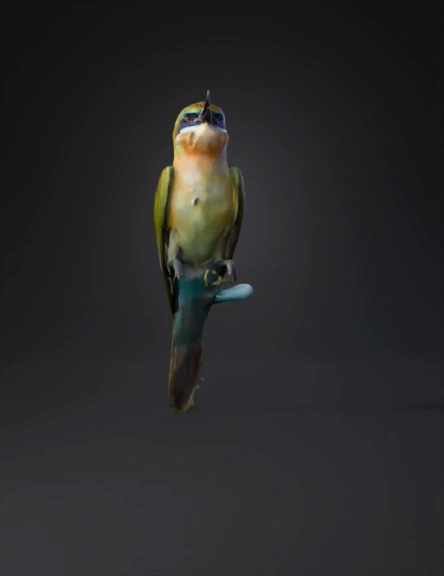
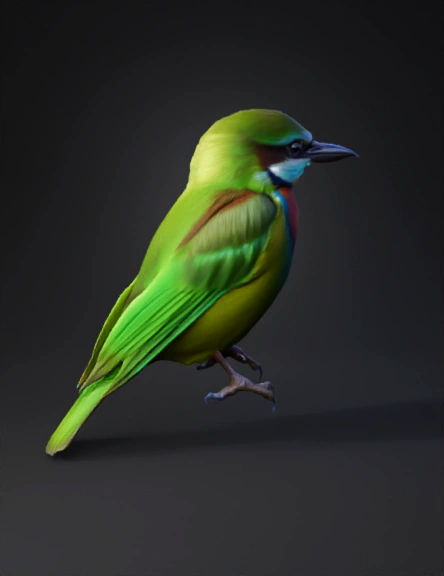
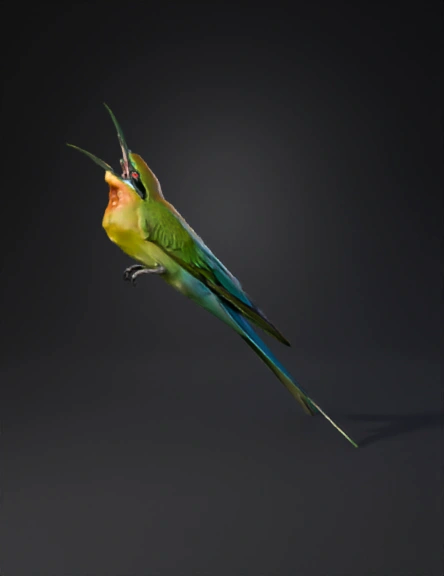
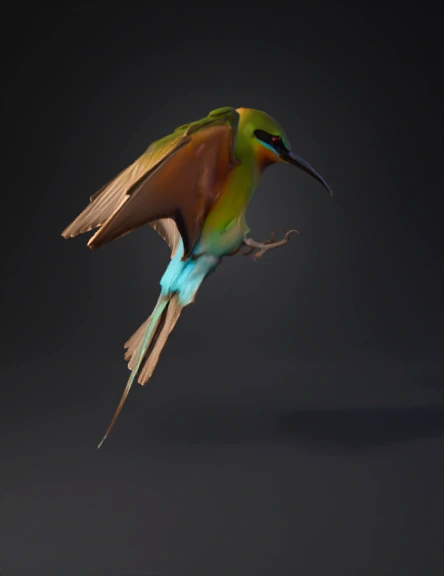
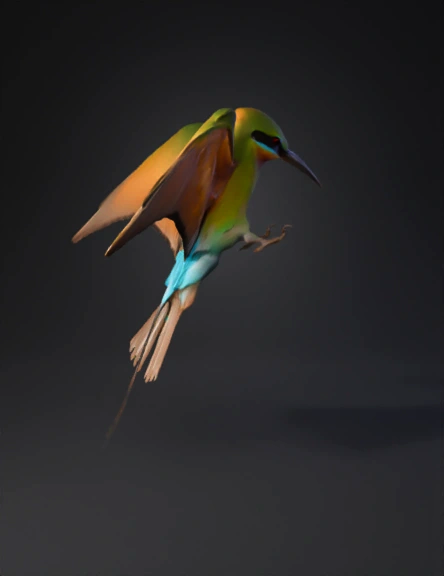
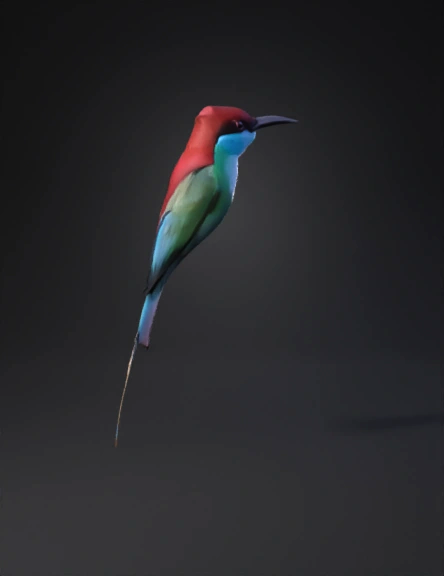
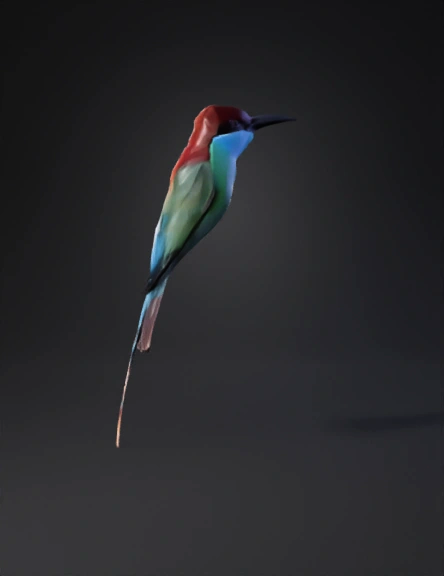
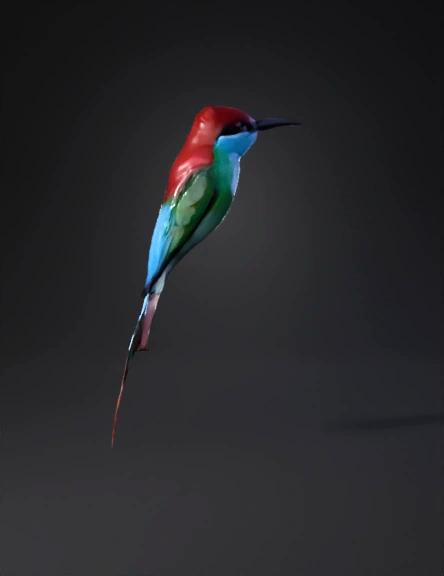
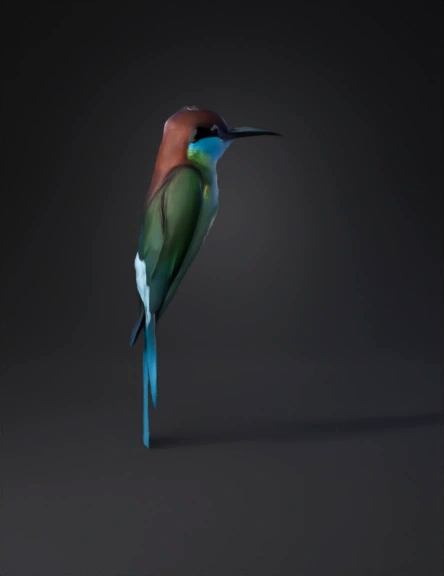
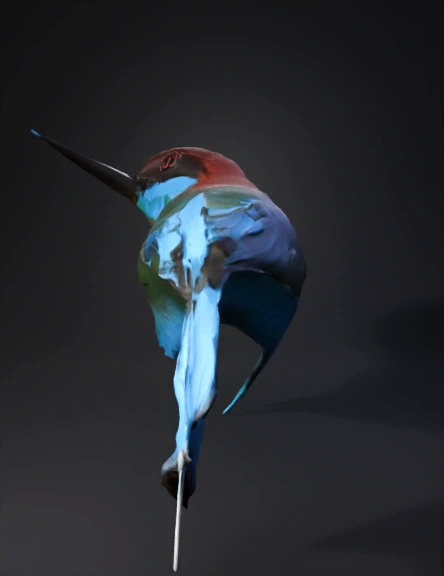
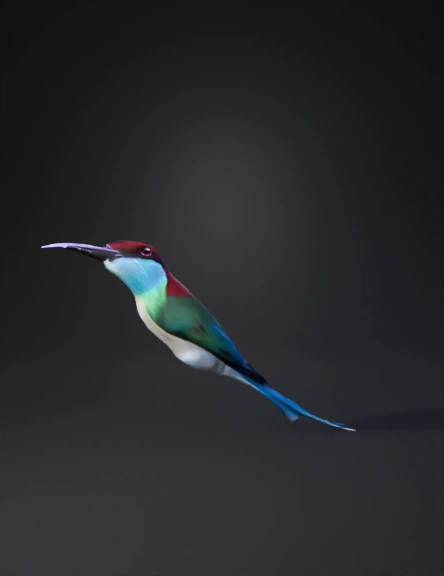
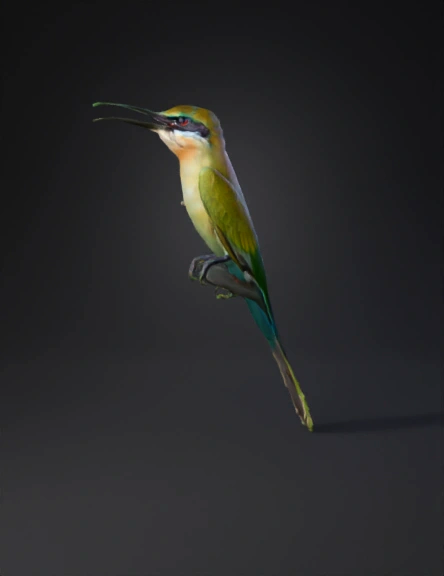
Blue throated bee eater 3D Models

Find the best Blue throated bee eater 3D Models, free download in STL, FBX, GLB, OBJ, 3MF, USDZ for 3D modeling and creation in Blender, 3D printing, game developing, animation, eCommerce, AR/VR and etc. Generated by Tripo AI 3D Generator.

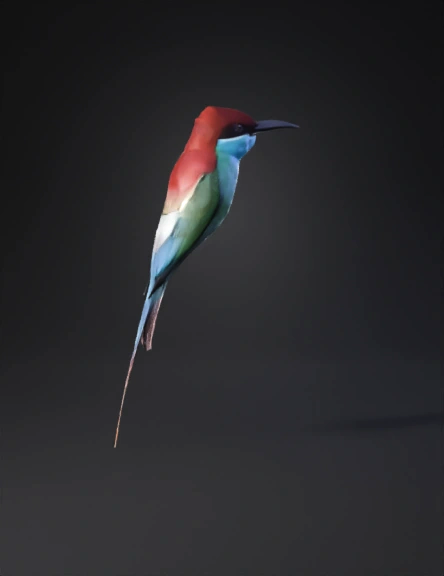
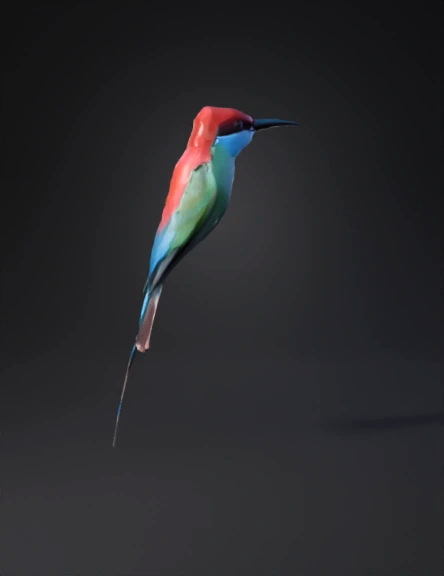
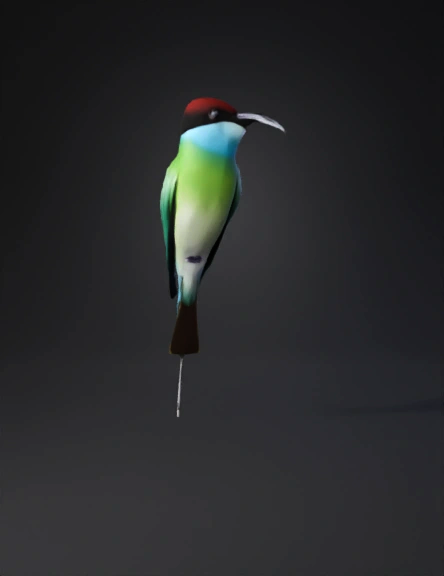
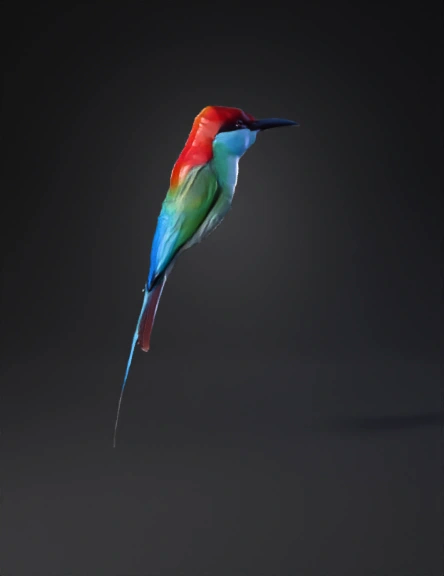
Blue-throated Bee-eater (Merops viridis)
Anonymous1761648759
Blue-throated Bee-eater The Blue-throated Bee-eater (Merops viridis) has feet that are small and adapted for perching rather than walking. Morphologically, its legs and feet show the following characteristics:

Type: Anisodactyl — three toes point forward and one toe points backward. This is the most common arrangement among perching birds.

Structure: The legs are short and weak, reflecting that the species spends most of its time flying or perching on branches, not walking on the ground.

Function: The toes and claws are strong and curved, allowing the bird to grip tightly onto thin branches or wires while scanning for flying insects.

Color: Typically dark gray or blackish, depending on the individual bird and its age.
Anonymous1761649575
Blue-throated Bee-eater (Merops viridis)
Anonymous1761648759
Blue-throated Bee-eater The Blue-throated Bee-eater (Merops viridis) has feet that are small and adapted for perching rather than walking. Morphologically, its legs and feet show the following characteristics:

Type: Anisodactyl — three toes point forward and one toe points backward. This is the most common arrangement among perching birds.

Structure: The legs are short and weak, reflecting that the species spends most of its time flying or perching on branches, not walking on the ground.

Function: The toes and claws are strong and curved, allowing the bird to grip tightly onto thin branches or wires while scanning for flying insects.

Color: Typically dark gray or blackish, depending on the individual bird and its age.
Anonymous1761649575
Blue-throated Bee-eater The Blue-throated Bee-eater (Merops viridis) has feet that are small and adapted for perching rather than walking. Morphologically, its legs and feet show the following characteristics:

Type: Anisodactyl — three toes point forward and one toe points backward. This is the most common arrangement among perching birds.

Structure: The legs are short and weak, reflecting that the species spends most of its time flying or perching on branches, not walking on the ground.

Function: The toes and claws are strong and curved, allowing the bird to grip tightly onto thin branches or wires while scanning for flying insects.

Color: Typically dark gray or blackish, depending on the individual bird and its age.
Anonymous1761649575
Blue-throated Bee-eater The Blue-throated Bee-eater (Merops viridis) has feet that are small and adapted for perching rather than walking. Morphologically, its legs and feet show the following characteristics:

Type: Anisodactyl — three toes point forward and one toe points backward. This is the most common arrangement among perching birds.

Structure: The legs are short and weak, reflecting that the species spends most of its time flying or perching on branches, not walking on the ground.

Function: The toes and claws are strong and curved, allowing the bird to grip tightly onto thin branches or wires while scanning for flying insects.

Color: Typically dark gray or blackish, depending on the individual bird and its age.
Anonymous1761649575
The back of the Blue-throated Bee-eater (Merops viridis) displays a beautiful gradient of colors that transition from rich greens to a more turquoise-blue hue. Specifically, the upper back and nape are a glossy, vibrant green, which is the most dominant color. As the plumage moves towards the shoulders and upper wing coverts, the green begins to blend into a soft turquoise blue. This gradual shift creates a subtle, yet striking contrast against the bird’s deep green body.

The transition from green to blue is not abrupt but rather blends smoothly across the bird's back, giving it a naturally iridescent appearance, especially in sunlight. This gradient of hues is one of the defining characteristics of the Blue-throated Bee-eater, enhancing its aesthetic appeal and making it easier to identify in its natural habitat.

This combination of greens and blues on the back contrasts with the more vivid blue throat and chest area, creating a harmonious yet bold color scheme across the bird’s bod
Anonymous1759866349
The back of the Blue-throated Bee-eater (Merops viridis) displays a beautiful gradient of colors that transition from rich greens to a more turquoise-blue hue. Specifically, the upper back and nape are a glossy, vibrant green, which is the most dominant color. As the plumage moves towards the shoulders and upper wing coverts, the green begins to blend into a soft turquoise blue. This gradual shift creates a subtle, yet striking contrast against the bird’s deep green body.

The transition from green to blue is not abrupt but rather blends smoothly across the bird's back, giving it a naturally iridescent appearance, especially in sunlight. This gradient of hues is one of the defining characteristics of the Blue-throated Bee-eater, enhancing its aesthetic appeal and making it easier to identify in its natural habitat.

This combination of greens and blues on the back contrasts with the more vivid blue throat and chest area, creating a harmonious yet bold color scheme across the bird’s bod
Anonymous1759866349
The back of the Blue-throated Bee-eater (Merops viridis) displays a beautiful gradient of colors that transition from rich greens to a more turquoise-blue hue. Specifically, the upper back and nape are a glossy, vibrant green, which is the most dominant color. As the plumage moves towards the shoulders and upper wing coverts, the green begins to blend into a soft turquoise blue. This gradual shift creates a subtle, yet striking contrast against the bird’s deep green body.

The transition from green to blue is not abrupt but rather blends smoothly across the bird's back, giving it a naturally iridescent appearance, especially in sunlight. This gradient of hues is one of the defining characteristics of the Blue-throated Bee-eater, enhancing its aesthetic appeal and making it easier to identify in its natural habitat.

This combination of greens and blues on the back contrasts with the more vivid blue throat and chest area, creating a harmonious yet bold color scheme across the bird’s bod
Anonymous1759866349
The Blue-throated Bee-eater (Merops viridis) is a striking and vibrant bird species that belongs to the family Meropidae. It is known for its vivid coloration and distinctive features, which make it one of the most eye-catching members of the bee-eater family. Found predominantly in Southeast Asia, particularly in countries such as Thailand, Cambodia, Laos, and Vietnam, this species is a skilled aerial hunter of insects, primarily bees and wasps.

Size and Shape

The Blue-throated Bee-eater is a medium-sized bird with an elongated and slender body. It typically measures around 28 to 30 cm (11 to 12 inches) in length. The bird's wingspan is also quite impressive, typically ranging from 30 to 33 cm. Its body is streamlined, aiding its impressive flight capabilities as it pursues insects in the air.

Plumage

The bird is easily recognizable due to its vivid and striking plumage. The upperparts are a rich, glossy green, which blends into a more turquoise blue on the head and upper back. Th
Anonymous1759865327
The Blue-throated Bee-eater (Merops viridis) is a striking and vibrant bird species that belongs to the family Meropidae. It is known for its vivid coloration and distinctive features, which make it one of the most eye-catching members of the bee-eater family. Found predominantly in Southeast Asia, particularly in countries such as Thailand, Cambodia, Laos, and Vietnam, this species is a skilled aerial hunter of insects, primarily bees and wasps.

Size and Shape

The Blue-throated Bee-eater is a medium-sized bird with an elongated and slender body. It typically measures around 28 to 30 cm (11 to 12 inches) in length. The bird's wingspan is also quite impressive, typically ranging from 30 to 33 cm. Its body is streamlined, aiding its impressive flight capabilities as it pursues insects in the air.

Plumage

The bird is easily recognizable due to its vivid and striking plumage. The upperparts are a rich, glossy green, which blends into a more turquoise blue on the head and upper back. Th
Anonymous1759866349
The Blue-throated Bee-eater (Merops viridis) is a striking and vibrant bird species that belongs to the family Meropidae. It is known for its vivid coloration and distinctive features, which make it one of the most eye-catching members of the bee-eater family. Found predominantly in Southeast Asia, particularly in countries such as Thailand, Cambodia, Laos, and Vietnam, this species is a skilled aerial hunter of insects, primarily bees and wasps.

Size and Shape

The Blue-throated Bee-eater is a medium-sized bird with an elongated and slender body. It typically measures around 28 to 30 cm (11 to 12 inches) in length. The bird's wingspan is also quite impressive, typically ranging from 30 to 33 cm. Its body is streamlined, aiding its impressive flight capabilities as it pursues insects in the air.

Plumage

The bird is easily recognizable due to its vivid and striking plumage. The upperparts are a rich, glossy green, which blends into a more turquoise blue on the head and upper back. Th
Anonymous1759865327
The Blue-throated Bee-eater (Merops viridis) is a striking and vibrant bird species that belongs to the family Meropidae. It is known for its vivid coloration and distinctive features, which make it one of the most eye-catching members of the bee-eater family. Found predominantly in Southeast Asia, particularly in countries such as Thailand, Cambodia, Laos, and Vietnam, this species is a skilled aerial hunter of insects, primarily bees and wasps.

Size and Shape

The Blue-throated Bee-eater is a medium-sized bird with an elongated and slender body. It typically measures around 28 to 30 cm (11 to 12 inches) in length. The bird's wingspan is also quite impressive, typically ranging from 30 to 33 cm. Its body is streamlined, aiding its impressive flight capabilities as it pursues insects in the air.

Plumage

The bird is easily recognizable due to its vivid and striking plumage. The upperparts are a rich, glossy green, which blends into a more turquoise blue on the head and upper back. Th
Anonymous1759866349
The Blue-throated Bee-eater (Merops viridis) is a striking and vibrant bird species that belongs to the family Meropidae. It is known for its vivid coloration and distinctive features, which make it one of the most eye-catching members of the bee-eater family. Found predominantly in Southeast Asia, particularly in countries such as Thailand, Cambodia, Laos, and Vietnam, this species is a skilled aerial hunter of insects, primarily bees and wasps.

Size and Shape

The Blue-throated Bee-eater is a medium-sized bird with an elongated and slender body. It typically measures around 28 to 30 cm (11 to 12 inches) in length. The bird's wingspan is also quite impressive, typically ranging from 30 to 33 cm. Its body is streamlined, aiding its impressive flight capabilities as it pursues insects in the air.

Plumage

The bird is easily recognizable due to its vivid and striking plumage. The upperparts are a rich, glossy green, which blends into a more turquoise blue on the head and upper back. Th
Anonymous1759865327
The Blue-throated Bee-eater (Merops viridis) is a striking and vibrant bird species that belongs to the family Meropidae. It is known for its vivid coloration and distinctive features, which make it one of the most eye-catching members of the bee-eater family. Found predominantly in Southeast Asia, particularly in countries such as Thailand, Cambodia, Laos, and Vietnam, this species is a skilled aerial hunter of insects, primarily bees and wasps.

Size and Shape

The Blue-throated Bee-eater is a medium-sized bird with an elongated and slender body. It typically measures around 28 to 30 cm (11 to 12 inches) in length. The bird's wingspan is also quite impressive, typically ranging from 30 to 33 cm. Its body is streamlined, aiding its impressive flight capabilities as it pursues insects in the air.

Plumage

The bird is easily recognizable due to its vivid and striking plumage. The upperparts are a rich, glossy green, which blends into a more turquoise blue on the head and upper back. Th
Anonymous1759865327
The Blue-throated Bee-eater (Merops viridis) is a striking and vibrant bird species that belongs to the family Meropidae. It is known for its vivid coloration and distinctive features, which make it one of the most eye-catching members of the bee-eater family. Found predominantly in Southeast Asia, particularly in countries such as Thailand, Cambodia, Laos, and Vietnam, this species is a skilled aerial hunter of insects, primarily bees and wasps.

Size and Shape

The Blue-throated Bee-eater is a medium-sized bird with an elongated and slender body. It typically measures around 28 to 30 cm (11 to 12 inches) in length. The bird's wingspan is also quite impressive, typically ranging from 30 to 33 cm. Its body is streamlined, aiding its impressive flight capabilities as it pursues insects in the air.

Plumage

The bird is easily recognizable due to its vivid and striking plumage. The upperparts are a rich, glossy green, which blends into a more turquoise blue on the head and upper back. Th
Anonymous1759866349
The Blue-throated Bee-eater (Merops viridis) is a striking and vibrant bird species that belongs to the family Meropidae. It is known for its vivid coloration and distinctive features, which make it one of the most eye-catching members of the bee-eater family. Found predominantly in Southeast Asia, particularly in countries such as Thailand, Cambodia, Laos, and Vietnam, this species is a skilled aerial hunter of insects, primarily bees and wasps.

Size and Shape

The Blue-throated Bee-eater is a medium-sized bird with an elongated and slender body. It typically measures around 28 to 30 cm (11 to 12 inches) in length. The bird's wingspan is also quite impressive, typically ranging from 30 to 33 cm. Its body is streamlined, aiding its impressive flight capabilities as it pursues insects in the air.

Plumage

The bird is easily recognizable due to its vivid and striking plumage. The upperparts are a rich, glossy green, which blends into a more turquoise blue on the head and upper back. Th
Anonymous1759866349
The Blue-throated Bee-eater (Merops viridis) is a striking and vibrant bird species that belongs to the family Meropidae. It is known for its vivid coloration and distinctive features, which make it one of the most eye-catching members of the bee-eater family. Found predominantly in Southeast Asia, particularly in countries such as Thailand, Cambodia, Laos, and Vietnam, this species is a skilled aerial hunter of insects, primarily bees and wasps.

Size and Shape

The Blue-throated Bee-eater is a medium-sized bird with an elongated and slender body. It typically measures around 28 to 30 cm (11 to 12 inches) in length. The bird's wingspan is also quite impressive, typically ranging from 30 to 33 cm. Its body is streamlined, aiding its impressive flight capabilities as it pursues insects in the air.

Plumage

The bird is easily recognizable due to its vivid and striking plumage. The upperparts are a rich, glossy green, which blends into a more turquoise blue on the head and upper back. Th
Anonymous1759866349
Enter invite code to get credits!