?

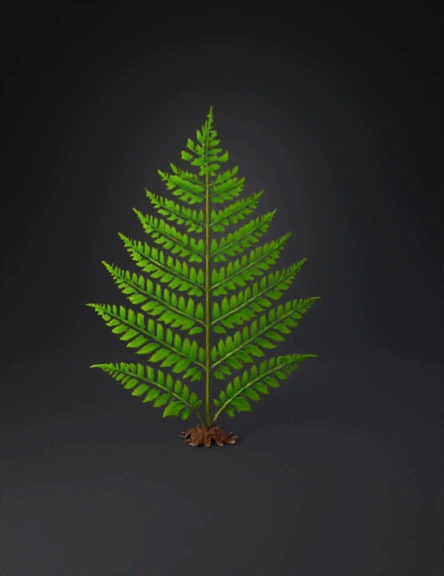
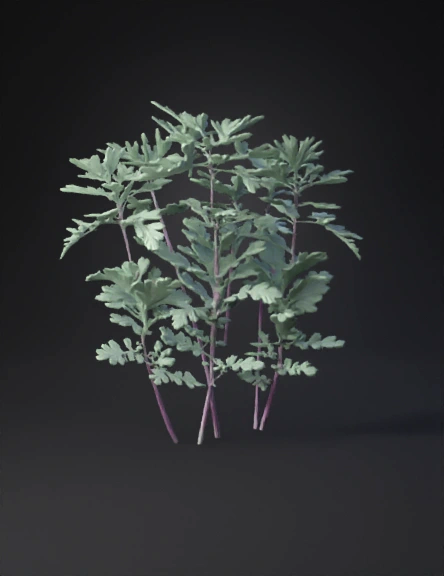
Fern 3D Models

Find the best Fern 3D Models, free download in STL, FBX, GLB, OBJ, 3MF, USDZ for 3D modeling and creation in Blender, 3D printing, game developing, animation, eCommerce, AR/VR and etc. Generated by Tripo AI 3D Generator.

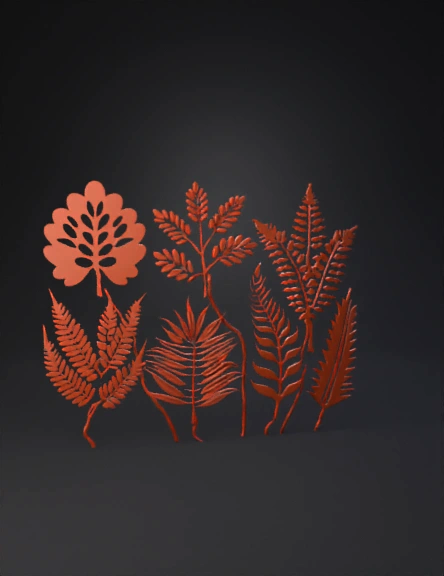
Ramas de hojas de cobre
Anonymous1751430005
Anonymous1763637687
Anonymous1763352873
将这张扁平的2D插图转换为3D风格图像
Anonymous1762851406
Anonymous1736396939
Anonymous1760983037
Anonymous1748398279
Anonymous1760531657
Anonymous1757594471
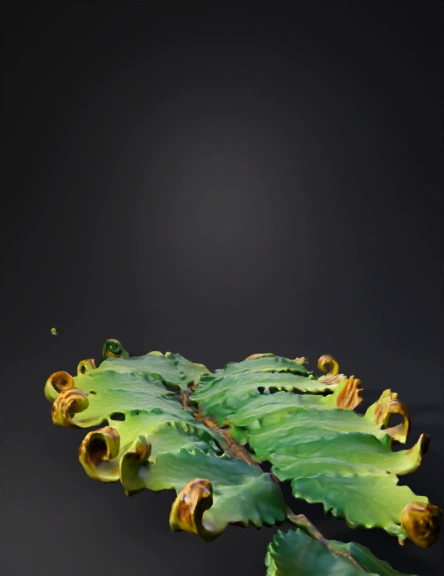
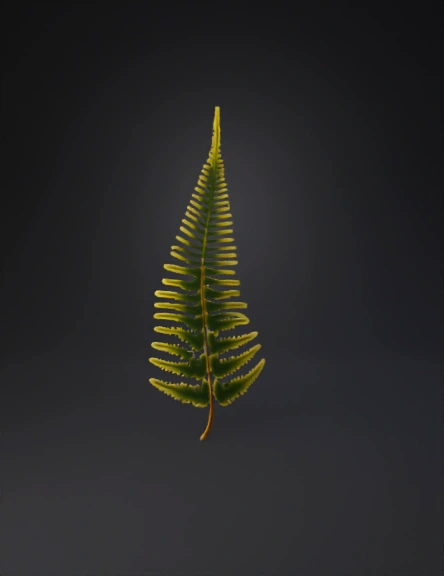
Realistic close-up 3D model of a dew-covered fern leaf in a morning forest environment. Every leaflet shows micro-detail veins, water droplets reflecting sunlight, and slight translucency. Ground covered with moss and small mushrooms, with natural bokeh effect in the background suggesting depth and humidity.
Anonymous1717681446
地面から生えるシダ植物。フロリダ州でよくみられるようなもの
Anonymous1760582210
Anonymous1761068068
Anonymous1760616284
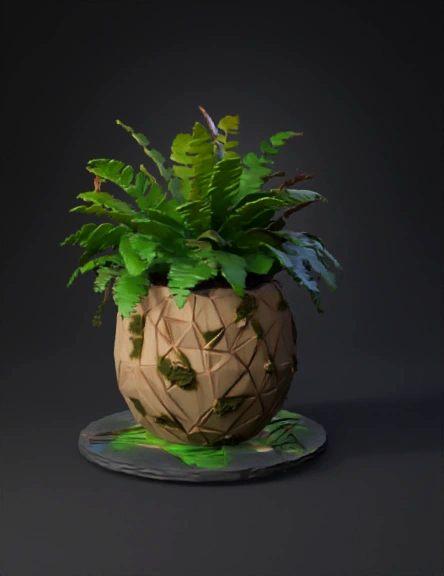
create me a 3d model of an indoor plant called COBRA FERN in a pot don't add detailed textures, just enough
Anonymous1761045562
Anonymous1760675015
Objective: To provide a detailed breakdown of the plant's features for accurate 3D modeling or AI generation.

1. Overall Shape and Size:
Overview: A perennial, climbing herbaceous plant, forming a bushy clump but with long, slender, vining stems.

Average Height: Typically 1–2 meters tall, but can grow longer if provided with a good climbing support.

Appearance: Slender, light, and airy, creating a soft and delicate impression.

2. Tuberous Roots (The most characteristic part):
Location: Grows deep underground, the most important part of the plant in traditional medicine.

Shape: Clustered together (fasciculated tubers), usually 5–10 or more per cluster. Each tuber is fusiform (spindle-shaped) or cylindrical, swelling in the middle and tapering towards both ends.

Size: Approximately 3–7 cm long, 1–2 cm in diameter.

Color: Outer skin is pale yellow or off-white, slightly glossy. Inside is opaque white and succulent.

Surface Texture: The skin may be slightly wrinkled vertically or have fine striations, not completely smooth. Fine, small rootlets may branch out from the main tubers.

3. Stem:
Form: Climbing, slender, round, or slightly angular.

Color: Bright light green when young, transitioning to a darker green or slightly brownish hue on older sections.

Surface: Smooth and sometimes slightly glossy, may have a few faint vertical streaks.

Structure: Heavily branched, spreading outwards to form a wide and airy canopy. Small, downward-curving spines (thorns) are present on the stems and branches (these are very small and often difficult to see without close inspection/magnification).

4. Leaves (Actually Cladodes – Modified Branches):
Shape: Not true leaves, but "false leaves" or cladodes (phylloclades) that are needle-like or flattened, very small, slender, and soft. They grow in fascicles (clusters) of 2–3 (or more) at each stem node/axil.

Size: Approximately 1–3 cm long, 0.5–1 mm wide.

Color: Bright, fresh green, slightly glossy.

Arrangement: Radiate outwards from the branch like small clouds or threads, creating a "fluffy" and dense appearance that is still airy and transparent. The cladodes hang slightly down or spread horizontally.

5. Flowers:
Location: Grow in racemes (clusters) in the leaf axils (cladode axils) or at the tips of branches.

Shape: Tiny, bell-shaped or 6-pointed star-shaped.

Color: Pure white or creamy white.

Time: Blooms around May–June. Often unnoticed due to their small size.

6. Fruit:
Shape: Spherical, fleshy berry.

Size: Small, approximately 0.5–1 cm in diameter.

Color: Green when unripe, turning a vivid bright red or orange-red when mature, highly noticeable.

Arrangement: Usually grows in small clusters or singly along the branches.

Time: Fruits around August–September.

7. Overall Foliage/Branch Structure:
Impression: Creates a light, ethereal, and fluffy feeling, somewhat similar to a fern but with needle-like "leaves."

Density: The canopy is not too dense, containing gaps that allow light to pass through.

Key Considerations for 3D Modeling:
Climbing Nature: Ensure the branches can be posed to climb on a support structure or extend long distances naturally.

Cladode Fineness (Diệp chi): This is the crucial element defining the plant's beauty. They must be modeled as sufficiently slender and naturally arranged.

Tuberous Roots: If the model includes the underground section, the roots must be clearly defined with their characteristic shape and color.

Small Spines (Thorns): Can be omitted for low-detail models, but for high-detail models, including these small spines will enhance realism.

Proportions: Ensure the proportions between all parts (stem, branches, cladodes, flowers, fruit) are balanced and accurate.
Anonymous1760427943
create a planter of the image
Anonymous1751716426
diperjelas sorusnya
Anonymous1756917405
Enter invite code to get credits!