?

Hub 3D Models

Find the best Hub 3D Models, free download in STL, FBX, GLB, OBJ, 3MF, USDZ for 3D modeling and creation in Blender, 3D printing, game developing, animation, eCommerce, AR/VR and etc. Generated by Tripo AI 3D Generator.

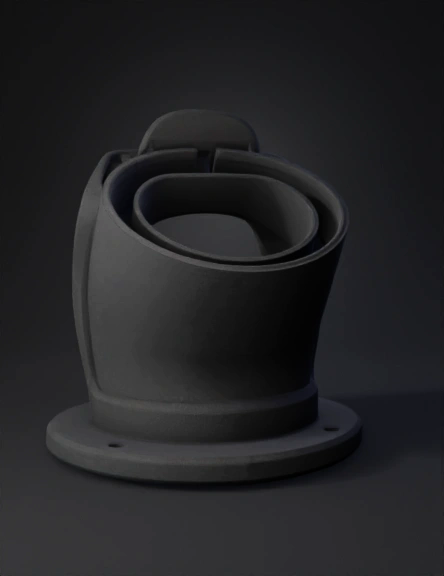
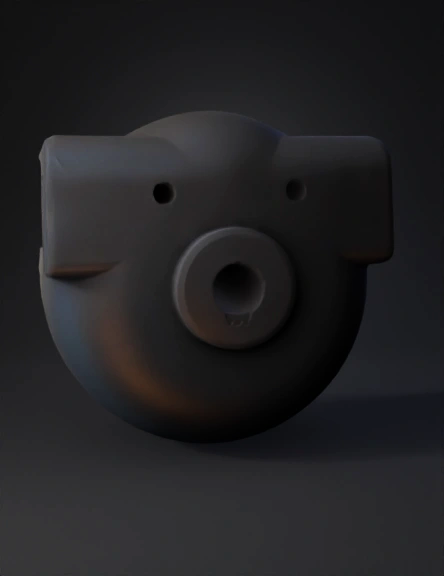
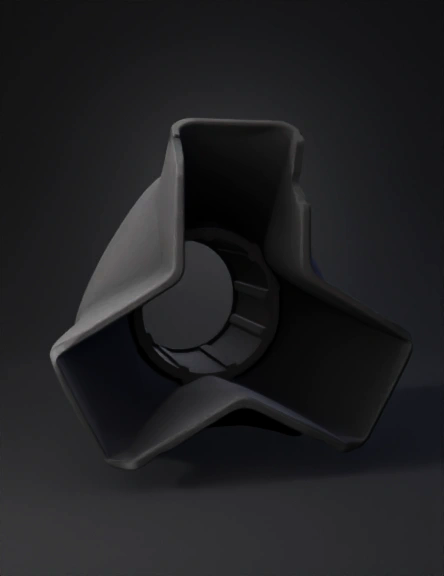
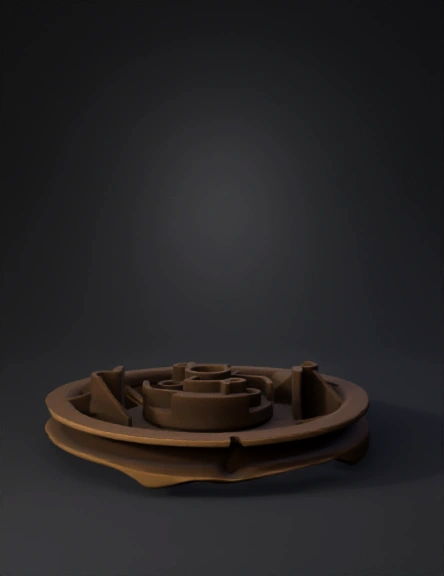
Necesito hacer los 3 diseños en 3d de un buje de mtb

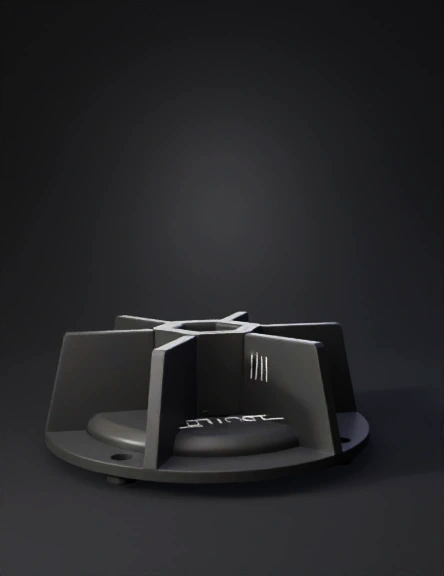
Necesito que 1 pieza sea de 21mm de largo el buje (el cromado), el diamentro interno debe ser de 8mm y externo debe ser de 12,5mm para que calce dentro de un casquillo de friccion.

Las otras 2 figuras 3d es la parte negra de la foto. Donde va el shock mide 15mm, por lo que las figuras negras que alinean el shock deben ser de 3mm cada uno de ancho con un diamentro interno de 12,5mm
 es para un shock de bicicleta, es mucho mas simple.
Necesito solo un tubo de 21mm de largo, que dentro el hueco sea de 8mm, y por fuera tenga 12,5mm, y dos argollas de 12,5mm diamentro interio y de 3mm de ancho. Hazlo bien, ya van 3 veces y haces algo nada que ver
Anonymous1771273830
Necesito hacer los 3 diseños en 3d de un buje de mtb

Necesito que 1 pieza sea de 21mm de largo el buje (el cromado), el diamentro interno debe ser de 8mm y externo debe ser de 12,5mm para que calce dentro de un casquillo de friccion.

Las otras 2 figuras 3d es la parte negra de la foto. Donde va el shock mide 15mm, por lo que las figuras negras que alinean el shock deben ser de 3mm cada uno de ancho con un diamentro interno de 12,5mm
Anonymous1771273830
Anonymous1771254962
Anonymous1771220080
Anonymous1771187440
Anonymous1766118699
Ultra-modern Premium Smart Hub / Mini-Gateway.Dimensions & Form: A sleek, vertical monolithic structure with a $100mm \times 50mm$ footprint. The design features a parametric aerodynamic curvature, with a continuous, seamless wrap-around shell.Top Surface: An aggressive, asymmetrical slanted top featuring a precision-cut honeycomb ventilation matrix. The grill is slightly recessed for a layered look.Interface & Display: > * Front Panel: A high-gloss "Piano Black" edge-to-edge glass fascia.Display: Integrated edge-lit vertical OLED touchscreen displaying dynamic waveforms and system telemetry.Navigation: Three haptic-touch capacitive circles at the base of the glass panel.Lighting Geometry:Dual asymmetrical neon LED light-pipes (Cyan and Amber) embedded into the structural seams. The lighting should have a "soft glow" effect with no visible hot spots, tracing the side curves of the device.Materials & Finish:Primary Body: High-grade Anodized Sandblasted Aluminum in "Graphite Matte".Anten
Anonymous1770264900
Anonymous1721315495
Anonymous1770999082
Anonymous1770916430
Prompt B: Integration Orbit (reliability/integration)
Design a 3D hero animation that communicates integration reliability. Visual: a bright core node with 6–8 small orbiting API nodes connected by faint curved lines. Nodes should feel technical but clean (no sci‑fi). Motion: steady 12s linear orbit; slight camera drift on scroll. Interaction: hover a node to show a small tooltip label; click nodes to anchor sections. On small screens, hide satellites and show only the core. Keep copy/CTA static as LCP. Performance: low draw calls, cap DPR to 1.5. Output: GLB, texture atlas, custom shader if needed. prefers-reduced-motion stops motion and shows a poster. Ensure tooltips are keyboard and screen‑reader accessible.
Anonymous1770929617
Anonymous1770927364
Anonymous1770889772
Anonymous1770818873
Anonymous1770815466
Anonymous1760366713
Anonymous1770848756
Prompt:
Create a short educational animation in a strict top-down (orthographic) view with a fixed camera from start to end.
The scene shows a smart home automation experiment with four rooms arranged in a square layout:
Room 1 (top-left): 2 lights, 2 fans (all OFF)
Room 2 (top-right): 2 lights, 2 fans (all OFF initially)
Room 3 (bottom-left): 2 lights, 2 fans (all OFF)
Room 4 (bottom-right): 2 lights, 2 fans (all OFF)
A single IR remote is placed on the left side of the frame.
A single ESP32 microcontroller is placed at the center of the four rooms.
A relay module is placed between the ESP32 and the rooms.
Animation sequence (step-by-step, no camera movement):
Step 1: A button on the remote labeled “Room 2 – Light 1” is pressed.
Step 2: A glowing signal path travels from the remote to the central ESP32, representing IR signal transmission.
Step 3: The ESP32 briefly highlights to indicate decoding of the selected room and appliance.
Step 4: The signal continues from the ESP32 to the relay module connected to
Anonymous1770722501
Enter invite code to get credits!