?

Nervous system 3D Models

Find the best Nervous system 3D Models, free download in STL, FBX, GLB, OBJ, 3MF, USDZ for 3D modeling and creation in Blender, 3D printing, game developing, animation, eCommerce, AR/VR and etc. Generated by Tripo AI 3D Generator.

Anonymous1776517266
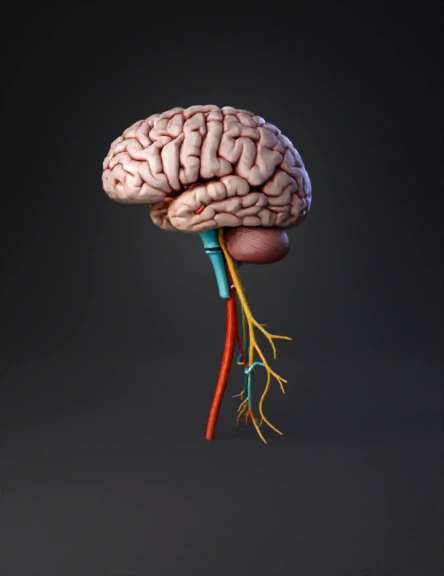
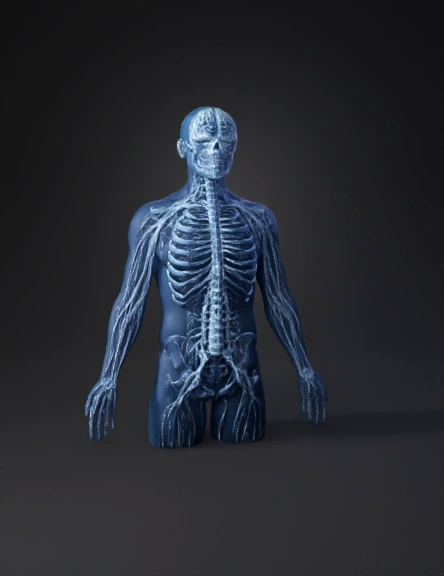
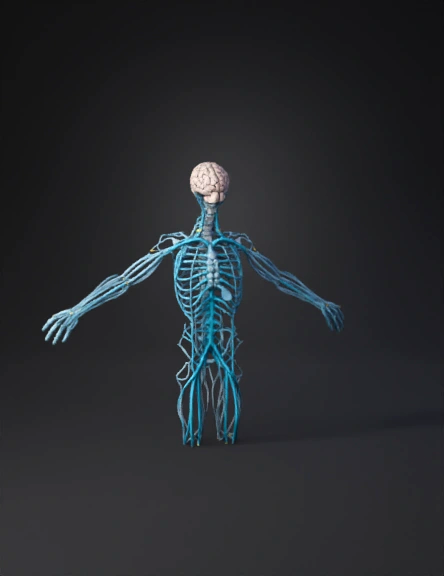
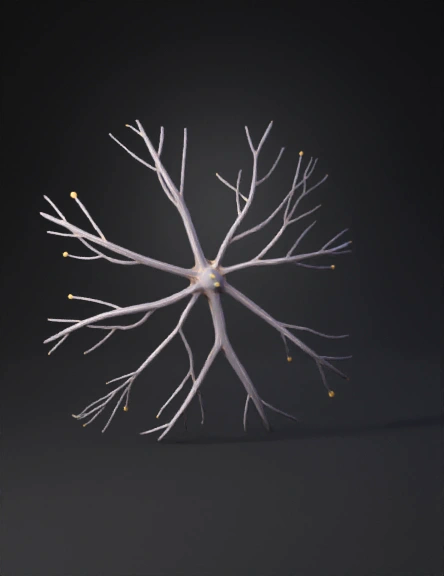
A high-fidelity 3D anatomical model of the human Peripheral Nervous System (PNS). The model should show a central spinal cord with hundreds of thin, glowing cyan-colored nerves branching out like a complex web to reach the limbs. Include small yellow sphere-like hubs along the nerves representing ganglia. Scientific style, clean 3D render, white background, highly detailed neural pathways." With an human spine cord and brain
Anonymous1776150196
A high-fidelity 3D anatomical model of the human Peripheral Nervous System (PNS). The model should show a central spinal cord with hundreds of thin, glowing cyan-colored nerves branching out like a complex web to reach the limbs. Include small yellow sphere-like hubs along the nerves representing ganglia. Scientific style, clean 3D render, white background, highly detailed neural pathways."
also label its parts
Anonymous1776150196
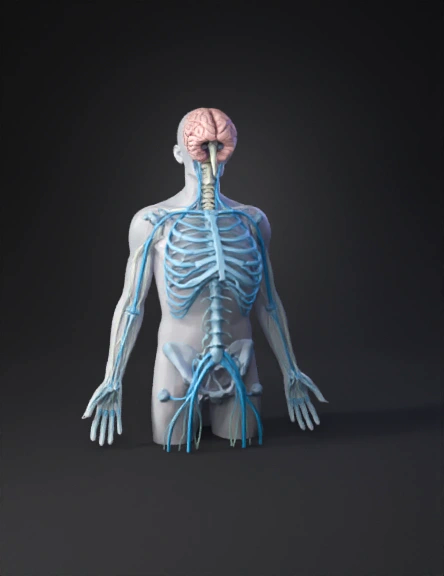
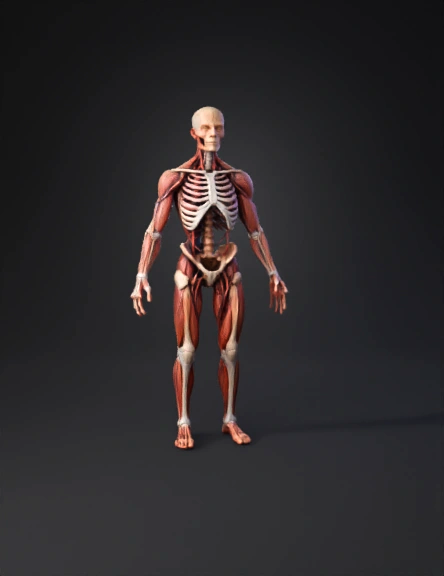
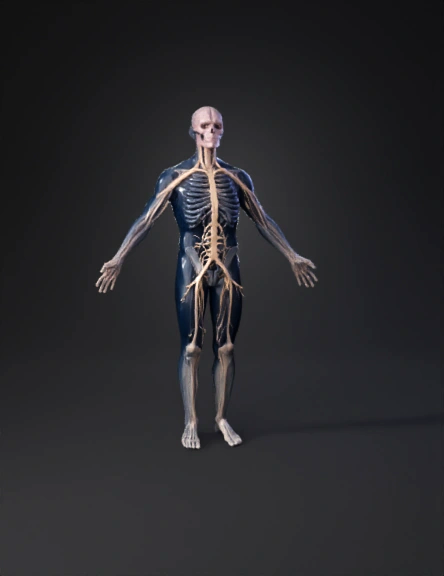
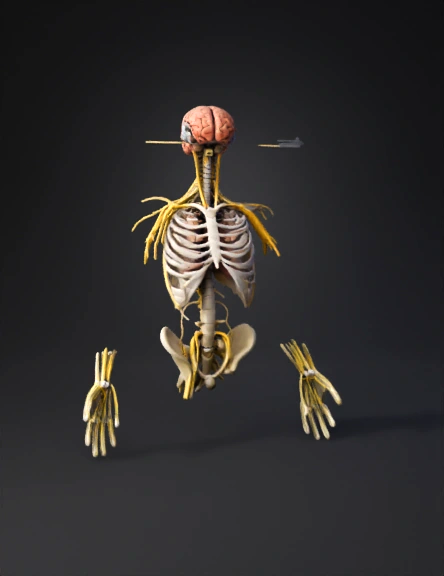
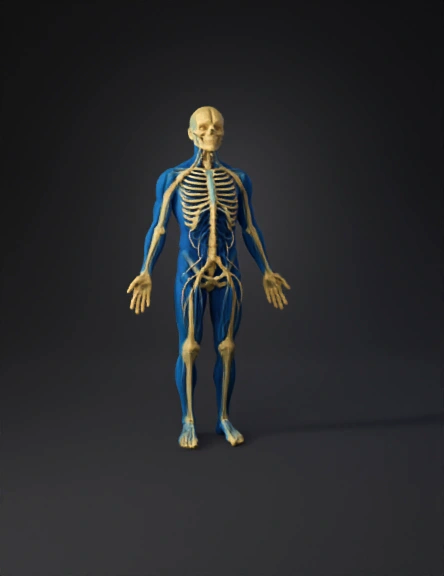
Create a highly detailed 3D model of the complete human nervous system. The model should include the brain, spinal cord, and full network of peripheral nerves (cranial and spinal nerves). Use realistic anatomy proportions and accurate positioning inside a transparent human body.
The brain should show main regions (cerebrum, cerebellum, brainstem), and the spinal cord should extend correctly through the vertebral column. Peripheral nerves should branch symmetrically throughout the body, reaching the arms, legs, and organs.
Use educational color coding: brain in light pink/gray, spinal cord in off-white, nerves in yellow. Add clean labels for key parts (brain, spinal cord, major nerves).
Style: realistic, medical, high-resolution, suitable for education.
Lighting: soft studio lighting, neutral background.
Output: interactive 3D model, rotatable, zoomable.
Anonymous1775242594
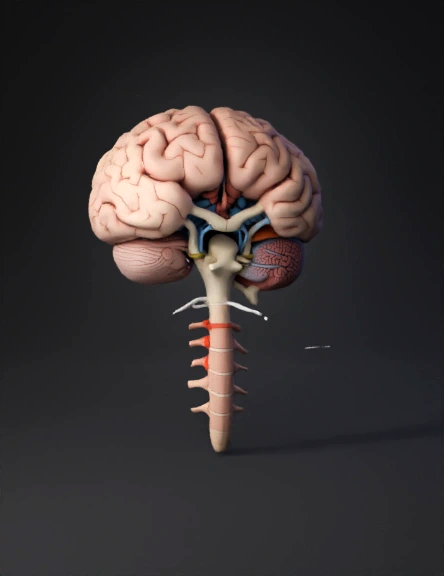
Create a highly detailed 3D model of the complete human nervous system. The model should include the brain, spinal cord, and full network of peripheral nerves (cranial and spinal nerves). Use realistic anatomy proportions and accurate positioning inside a transparent human body.
The brain should show main regions (cerebrum, cerebellum, brainstem), and the spinal cord should extend correctly through the vertebral column. Peripheral nerves should branch symmetrically throughout the body, reaching the arms, legs, and organs.
Use educational color coding: brain in light pink/gray, spinal cord in off-white, nerves in yellow. Add clean labels for key parts (brain, spinal cord, major nerves).
Style: realistic, medical, high-resolution, suitable for education.
Lighting: soft studio lighting, neutral background.
Output: interactive 3D model, rotatable, zoomable.
Anonymous1775242594
Anonymous1773940501
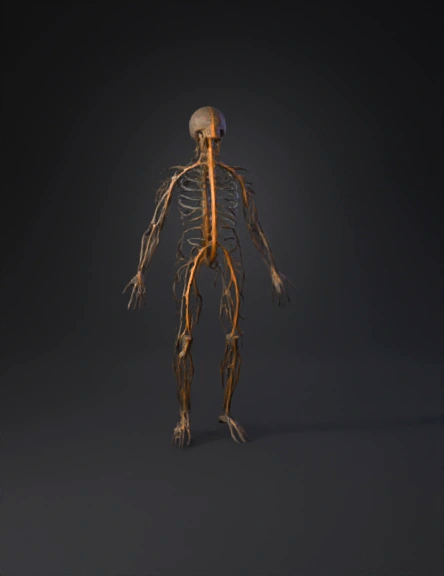
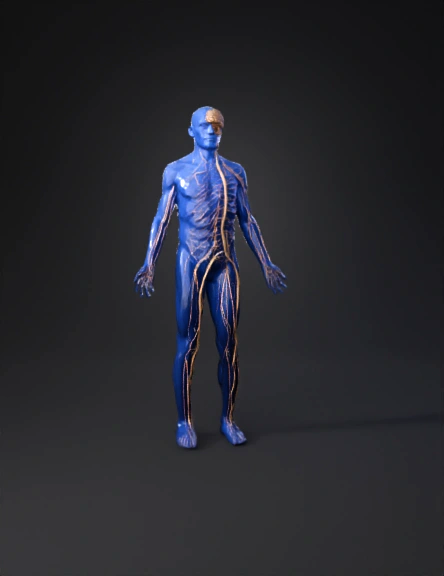
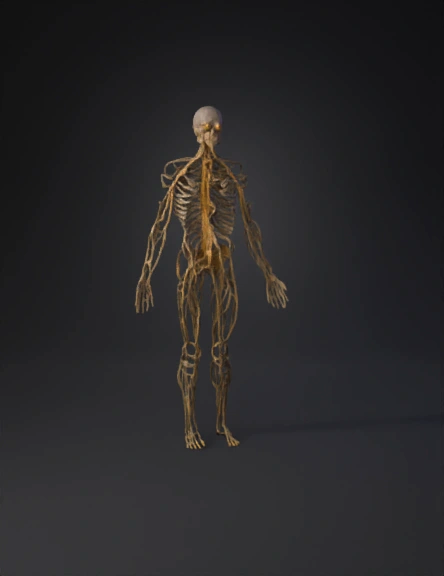
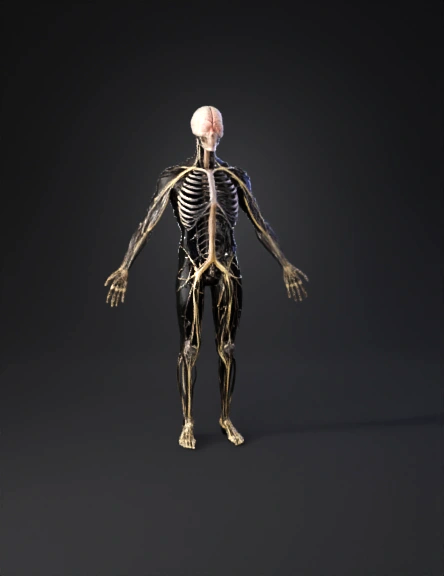
Create a highly detailed 3D digital model of the human nervous system, shown in a full-body frontal anatomical view. The model should include the brain, spinal cord, and an extensive network of peripheral nerves branching throughout the body, reaching the arms, hands, legs, and feet.

The nerves should appear as glowing, thin, thread-like structures in shades of yellow and gold, with subtle translucency and bioluminescent effects. The brain should be semi-transparent with visible neural texture, softly illuminated.

The background should be completely black to enhance contrast, giving a floating, isolated appearance. The human form should be anatomically accurate but stylized slightly for clarity and visual appeal, with smooth proportions and clean symmetry.

Use high-resolution rendering, cinematic lighting, soft glow effects, and realistic depth. Emphasize intricate branching patterns and fine neural detail.

Style: medical visualization meets futuristic sci-fi aesthetic, ultra-realistic, 4K/8K quality, vol
Anonymous1773940501
Create a highly detailed 3D digital model of the human nervous system, shown in a full-body frontal anatomical view. The model should include the brain, spinal cord, and an extensive network of peripheral nerves branching throughout the body, reaching the arms, hands, legs, and feet.

The nerves should appear as glowing, thin, thread-like structures in shades of yellow and gold, with subtle translucency and bioluminescent effects. The brain should be semi-transparent with visible neural texture, softly illuminated.

The background should be completely black to enhance contrast, giving a floating, isolated appearance. The human form should be anatomically accurate but stylized slightly for clarity and visual appeal, with smooth proportions and clean symmetry.

Use high-resolution rendering, cinematic lighting, soft glow effects, and realistic depth. Emphasize intricate branching patterns and fine neural detail.

Style: medical visualization meets futuristic sci-fi aesthetic, ultra-realistic, 4K/8K quality, vol
Anonymous1773940501
Anonymous1773893060
deseo el sistema nervioso principal del cuerpo humano y rotula sus partes
Anonymous1772817329
deseo el sistema nervioso principal del cuerpo humano y rotula sus partes
Anonymous1772817329
 Nervous System

"Domestic cat nervous system, veterinary-grade 3D model, all structures accurately labeled — brain, cerebellum, brainstem, spinal cord, brachial plexus, sciatic nerve, femoral nerve, radial nerve, ulnar nerve. Bright yellow nerve coloring on dark grey background, side profile and 3/4 view, medical illustration aesthetic."
Anonymous1772398822
Anonymous1772023856
Anonymous1770831841
الجهاز العصبي للانسان بدءا من الدماغ الى الاعصاب المنتشرة في الاطراف والعمود الفقري
Anonymous1770904962
الجهاز العصبي للانسان بدءا من الدماغ الى الاعصاب المنتشرة في الاطراف والعمود الفقري
Anonymous1770904962
Anonymous1763611964
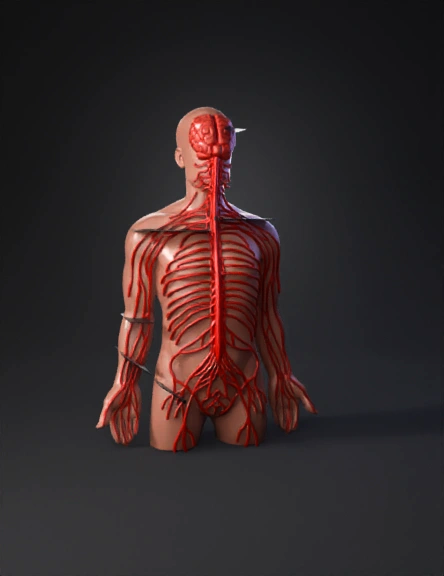
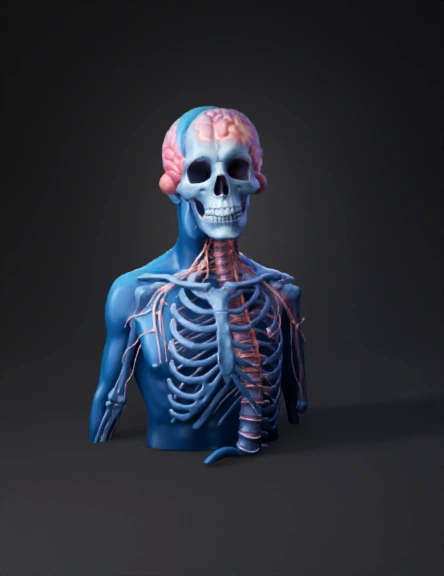
Ultra-detailed 3D medical visualization of the human nervous system ONLY. No skin, no muscles, no bones, no other organs visible. Full body outline with complete nervous system shown, including brain, spinal cord, cranial nerves, and peripheral nerves. Anatomically accurate and scientifically precise.

Animation demonstrating both motor and sensory nerve pathways. A human hand opens and closes slowly. Motor nerve signals originate in the motor cortex of the brain, travel down the spinal cord, branch into peripheral nerves, and reach the hand. The nerve signals are visualized as glowing electrical impulses moving in real time.

The hand is then touched or pressed, triggering sensory nerve signals that travel from the fingers through sensory nerves, up the spinal cord, and into the brain. Sensory signals are clearly distinguished from motor signals using different glow intensity or color.

Relevant brain regions are highlighted during activity: motor cortex during movement, somatosen
Anonymous1769185840
Enter invite code to get credits!