?

Organism 3D Models

Find the best Organism 3D Models, free download in STL, FBX, GLB, OBJ, 3MF, USDZ for 3D modeling and creation in Blender, 3D printing, game developing, animation, eCommerce, AR/VR and etc. Generated by Tripo AI 3D Generator.

Anonymous1773562960
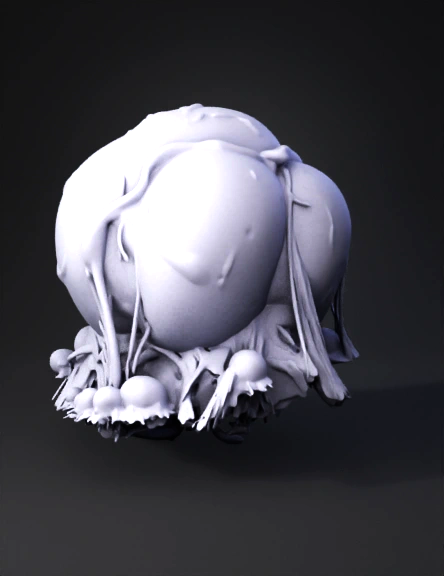
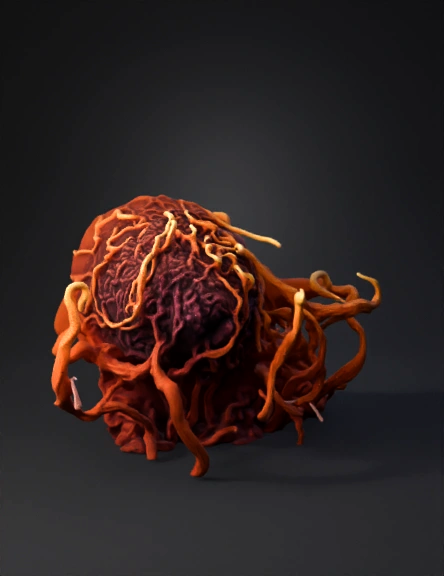
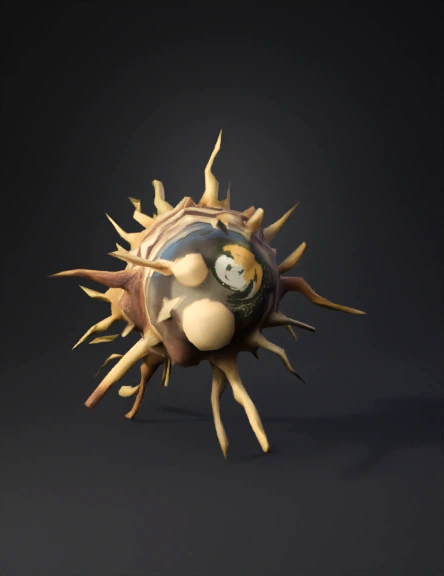
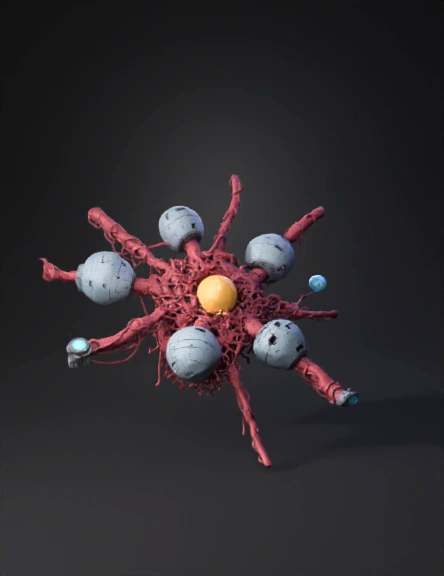
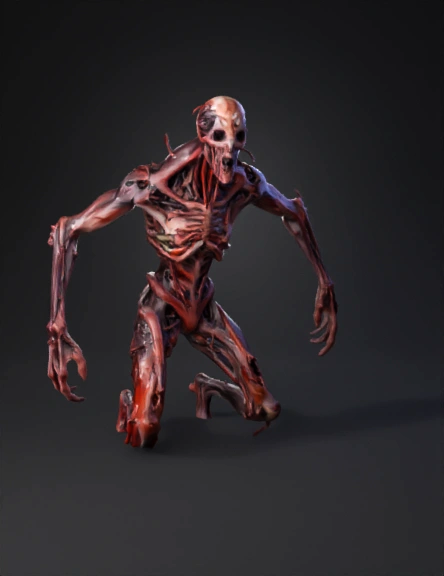
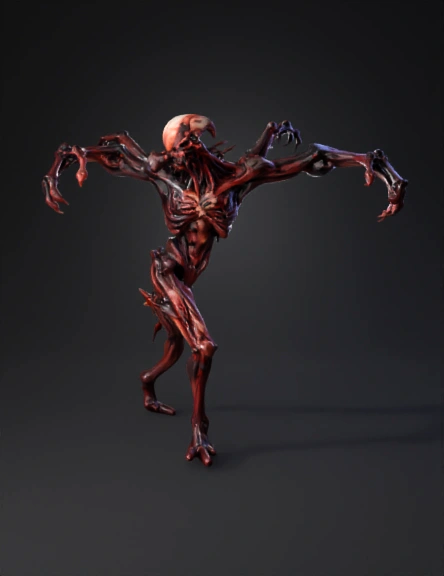
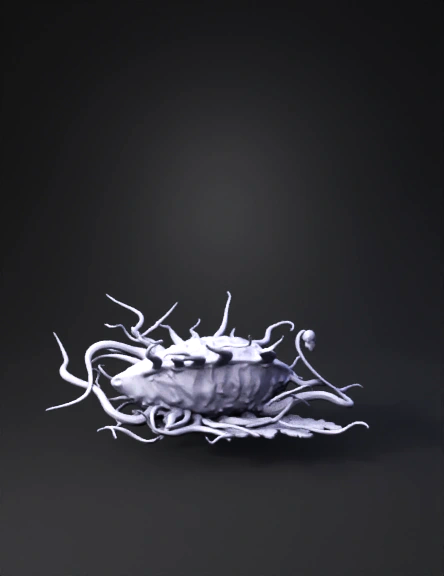
flesh bolb veiny monster organism parasyte with tentacles and muddy rotting brownish color, and thick veins, and big sectioned blobs that look like they are about to explode
Anonymous1772725505
flesh bolb veiny monster organism parasyte
Anonymous1772725505
Crea dos diagramas educativos claros y etiquetados para una maqueta escolar de biología comparativa.
Diagrama 1: Organismo unicelular marino (Diatomea)
Debe mostrar una célula marina microscópica con sus partes señaladas:
Etiquetas:
Membrana celular
Núcleo
Citoplasma
Cloroplastos
Vacuola
Agregar una breve descripción:
Organismo formado por una sola célula
Vive en el océano
Realiza fotosíntesis
Es microscópico
El estilo debe ser científico, claro y educativo, como en un libro de biología.
Diagrama 2: Organismo pluricelular (Cachalote)
Mostrar un cachalote con un esquema de niveles de organización biológica.
Incluir un diagrama jerárquico:
Célula → Tejido → Órgano → Sistema → Organismo
Ejemplo:
Célula muscular
Tejido muscular
Corazón (órgano)
Sistema circulatorio
Cachalote (organismo)
Agregar etiquetas educativas y un diseño claro para estudiantes.
Estilo visual:
Tipo infografía científica
Colores suaves
Flechas señalando estructuras
Fondo blanco
Ideal para una maqueta escolar de biología.
Anonymous1772728589
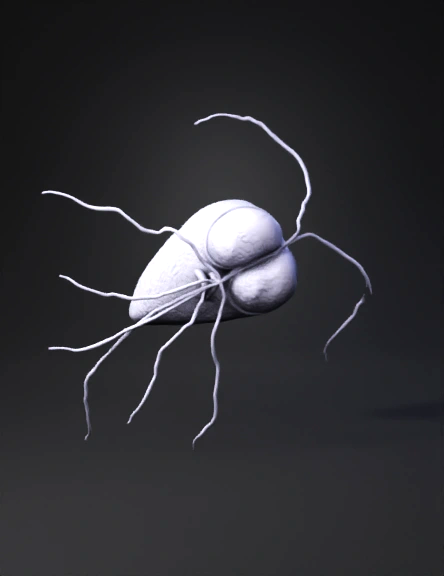
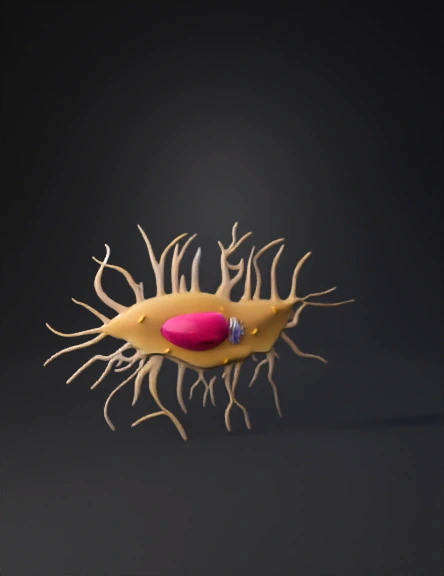
草履虫
Anonymous1772877550
Anonymous1756840626
Anonymous1772621661
Anonymous1772547101
Anonymous1771376221
Anonymous1772396445
Anonymous1770735857
Anonymous1772183962
Anonymous1769609528
Anonymous1770759558
Anonymous1770915331
A hive mind is not just a metaphor. Across life on Earth, certain species have evolved to operate as a single, distributed intelligence. Each agent — whether a microbe, insect, or vertebrate — follows local rules, yet together they produce decisions, patterns, and behaviors no single individual could achieve alone. 

Microbial Beginnings: At the smallest scale, bacteria demonstrate the simplest form of a hive mind. Through chemical quorum sensing, individual cells release and detect signals that trigger population-wide behaviors: biofilm formation, virulence, or movement. One bacterium is powerless; together, millions act with astonishing coordination. Next, slime molds take it a step further. A single cell can roam independently, but under stress or starvation, thousands aggregate, forming a temporary, cooperative organism capable of seeking nutrients with collective logic. Here, the mind is not in one cell but emerges in the interaction of many.

 Insects and Structured Societies: Ants, termites, bees, and
Anonymous1759484179
Anonymous1770632064
Anonymous1769937936
Enter invite code to get credits!