3D Workspace
Home
Assets
Affiliate Program
Sign up/Log in
?
Upgrade
DCC Bridge
Anonymous1773855969
03-18 17:46
Model Name
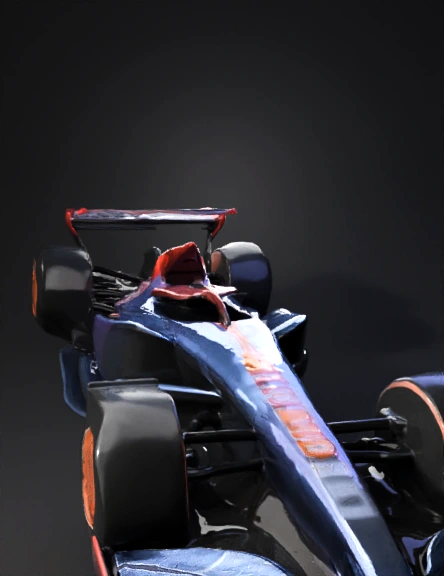
f1 race circuit 3d model
Tags
architecture
simulation
realistic
Prompt
Ultimate Concept F1 Circuit — “Apex Grand Circuit” Core Specifications Length: 5.8 km Corners: 20 Elevation change: 70 m Track width: 15–18 m DRS zones: 3 Estimated average speed: ~235 km/h Estimated lap time (modern F1): ~1:33 Why these numbers: 5.5–6 km provides strategic depth without overly long laps. 20 corners allows a mix of technical and high-speed sections. 70 m elevation gives dramatic terrain without becoming dangerous. Layout Overview 4 The layout is divided into three sectors, each testing a different skill set. Sector 1 – Pure Speed & Overtaking Length: ~2.0 km Goal: Slipstream battles and heavy braking overtakes. Key elements: Start/Finish straight Length: 1.2 km Top speed: ~355 km/h Primary DRS zone Turn 1 – Downhill hairpin 90 km/h braking zone Overtaking hotspot Turns 2–4 – High-speed sweepers 220–260 km/h Drivers must carry momentum Why this works: Long straight ensures slipstream battles Hairpin encourages late braking overtakes Sector 2 – Technical Rhythm Length: ~1.9 km Goal: Reward precision and punish mistakes. Features: Esses complex (Turns 5–10) Inspired by Suzuka. Fast direction changes 180–240 km/h Aerodynamic grip challenge Turn 11 – Off-camber double apex Mid-speed corner Requires precise throttle control Turn 12 – Blind crest corner Drivers commit without full visibility Impact: Tests car balance Highlights driver skill Sector 3 – Strategy & Tire Management Length: ~1.9 km Purpose: Create tire wear and strategy variation. Features: Turn 13 – Long-radius parabola 4-second corner High tire load Turn 14–15 – Tight chicane Hard braking Second overtaking point Turn 16–18 – Elevation climb sequence Uphill S-curves Drivers manage traction Turn 19 – Banked corner Two racing lines Late-race overtaking potential Turn 20 – Final hairpin Leads into second DRS straight Elevation Profile Total vertical change: ~70 m Pattern: Start straight: downhill Sector 2: rolling elevation Sector 3: uphill climb Final straight: downhill again Why elevation matters: Changes braking distances Reduces predictability Creates grip variations Aerodynamic Balance The circuit forces teams to choose between: Low downforce Better on straights Worse in Sector 2 High downforce Faster in technical section Slower on straights This creates setup diversity. Tire Management Design Certain corners intentionally stress tires: High-load corners: Turn 5 Turn 13 Turn 17 These create thermal degradation, forcing teams into strategic decisions. Weather Adaptability Drainage gradient: 1.5% slope Design choices: Avoid flat sections Elevation disperses water Wider runoff prevents aquaplaning accidents Rain races become dramatic but manageable. Safety Engineering Key features: Runoff areas: Asphalt runoff for fast corners Gravel traps for slow corners Barriers: TecPro barriers SAFER barrier systems Marshal posts every 250 m Pit entry placed after final corner to avoid racing line conflicts. Spectator Experience The circuit is designed around a natural bowl valley. Benefits: Grandstands see 4–5 corners simultaneously Elevation improves sightlines Fan zones around overtaking areas Estimated capacity: 140,000 spectators Strategic Race Dynamics Expected race characteristics: 3 major overtaking zones Slipstream battles Multiple pit strategies Tire degradation influencing race pace This prevents “processional” races.
Detailed Info
Related Models
Enter invite code
Enter invite code to get credits!
 Anonymous1773855969


 Anonymous1773855969