3D Workspace
Home
Assets
Affiliate Program
Sign up/Log in
?
Upgrade
DCC Bridge
Anonymous1770043114
02-02 14:56
Model Name
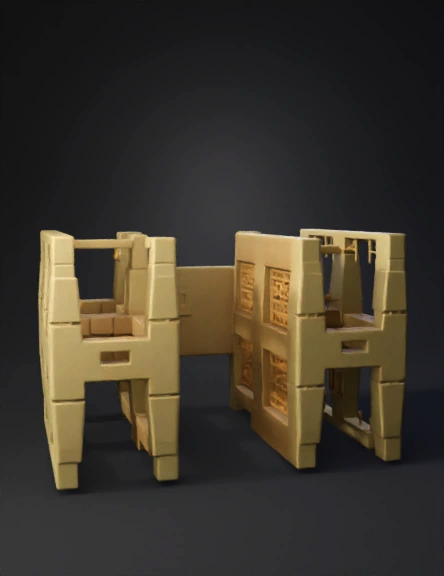
modular frame 3d model
Tags
props
3d printing
modern
Prompt
Act as an expert in consumer electronics and 3D printing design. Your task is to create a professional, two-part (base and snap-on lid) protective case for a high-power DIY power bank. The primary design goals are safety, a secure yet serviceable snap-fit mechanism, effective heat dissipation, and optimal user experience. 1. Project Brief: Design a protective enclosure for a custom 100W power bank. The case consists of a base (which holds all components) and a removable lid that securely snaps onto it. The snap-fit connection must be strong enough to prevent accidental opening during use or if dropped, but must allow for non-destructive, tool-free disassembly by an adult applying reasonable force. The design must prioritize safety for the lithium-ion batteries inside. 2. Component Layout & Critical Dimensions: Main PCB: Dimensions: 80mm (L) x 20mm (W) x 14mm (H with components). Port/Button Side: All interfaces are on one 80mm side. From left to right along this side: Two USB-A Ports: Provide two rectangular cutouts (~14mm x 8mm each). Exact coordinates unknown; position them aesthetically on the left side of this panel. Power Button: Rectangular cutout ~7mm x 8mm. Positioned 2mm from the right edge of this side. Coordinates: ~21-28mm and ~33-41mm. Two USB-C Ports: Two rectangular cutouts (~9mm x 4mm each). Coordinates: ~46-58mm and ~64-76mm along the edge. Batteries (4x): 18650 cells, 18.5mm diameter x 65.5mm length. Arrange in a 2x2 grid. Design individual cylindrical slots with a small insertion chamfer. Crucially, the battery compartment must be in the base, with the lid providing a secure top closure over the batteries. 3. Core Design Requirements: A. Snap-Fit Mechanism (Highest Priority): Design a peripheral snap-fit with multiple (6-8) engagement points distributed evenly along the longer sides of the case. Use cantilever snap hooks on the lid and corresponding undercut ledges on the base. This is the most serviceable design. Key Parameters: Engagement Depth: 1.2 - 1.5mm. Beam Length: 8 - 12mm (for sufficient deflection). Deflection Angle: Keep below 0.5% strain on the material (PETG/ABS) to ensure longevity over multiple cycles. Draft Angle: Apply a >5° draft angle on all engaging surfaces for smooth assembly and reduced stress. Assembly Aid: Include visual alignment markers (small arrows or notches) on the base and lid to indicate where to press for disassembly. Disassembly Groove: Incorporate a shallow groove or recess along the seam between the base and lid to allow insertion of a thin plastic prying tool (guitar pick, spudger) without damaging the parts. B. Safety & Structure: Battery Retention: The battery slots in the base must hold cells firmly. The inner surface of the lid must have anti-rattle ribs or a frame that presses gently on the batteries when closed, preventing movement. Venting: Incorporate a geometric ventilation pattern (e.g., grid of small holes or slots) on the side of the case opposite the ports and potentially on the top lid to allow heat from the PCB and batteries to escape. Ensure holes are small enough to prevent finger contact with internal components. Wire Management: Design channels or posts in the base for securing and routing the 16AWG high-current wires from the battery pack to the PCB terminals (B+, C-). Wall Thickness: Uniform 2.5mm for structural integrity and print reliability. C. Printability & User Experience: Optimize for FDM Printing: Design all features (snap-fits, vents, cutouts) to print without any support material. Orient parts in the suggestion for printing flat on the build plate. Ergonomics: Add subtle finger grips or textured surfaces on the sides to prevent slipping. Ensure the case has a stable footing and does not rock when placed on a flat surface. Aesthetics: Propose a clean, modern look with slightly rounded edges. Consider a two-tone design suggestion where the lid could be printed in a contrasting color. 4. Final Deliverables: 3D Models: Provide the base and lid as separate, manifold (watertight) STL files, ready for slicing. Design Summary: Include a brief technical note specifying: Recommended printing material (e.g., PETG for strength and heat resistance). Expected snap-fit engagement force and disassembly method. A reminder to users to perform a test fit of the snap-fit mechanism by printing a small calibration piece (a single snap joint segment) before committing to the full print.
Detailed Info
Related Models
Enter invite code
Enter invite code to get credits!