3D Workspace
Home
Assets
Affiliate Program
Creator Program
Sign up/Log in
View Plans
DCC Bridge
ajamugrahamp
10-09 19:07
Model Name
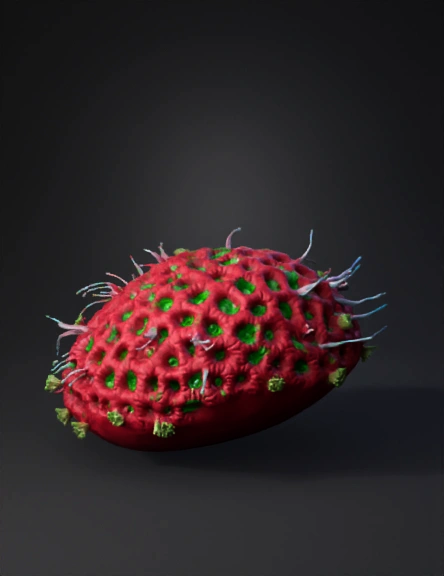
brain coral 3d model
Tags
brain coral
coral pink
coral shaped
coraline
mollusk
nature environment
nature environment realistic
nature environment rendering
nature environment rendering realistic
realistic
rendering
rendering realistic
Prompt
The common name "Brain Coral" is applied to several different stony corals, including species formerly classified under the genus Favia (which is now mostly reclassified into other genera like Dipsastraea, Favites, and Coelastrea). These corals are generally known for their hard, robust, and intricate appearance. Here is a breakdown of what the coral commonly referred to as Favia or Brain Coral looks like: 1. Structure and Shape Colony Form: These are massive, reef-building stony corals (LPS, or Large Polyp Stony) that typically form dome-shaped, massive, or thickly encrusting colonies. This large, dense shape gives them their common "brain" or "boulder" appearance. Surface Texture (Corallites): The surface is not smooth but covered in individual "mouths" or skeletal cups called corallites. In Favia (specifically the few true species remaining and those now classified as Dipsastraea): Each corallite is monocentric (has a single center/mouth) and plocoid, meaning each one projects slightly and has its own separate wall, giving the colony a bumpy, patterned, or honeycomb-like appearance. In closely related Favites (also called Brain or Moon Coral): The corallites are cerioid, meaning the adjacent polyps share a fused, common wall. 2. Coloration Favia and its related genera are highly prized for their intense and varied colors. They can be found in a wide range, often featuring contrasting colors between the inner mouth/disk and the outer wall. Color Range: They exhibit nearly every color, including vibrant greens, blues, purples, reds, oranges, and browns. Contrasting Patterns: It's very common for the mouth/eye of the polyp to be a different, often fluorescent, color than the coral wall. For example, some popular types are known for having a deep red base with bright green "eyes." 3. Polyps and Behavior Polyp Extension: The fleshy polyps are extended only at night when the coral feeds. Feeding: When the polyps are out, they show a ring of small, tapering tentacles used to catch prey like zooplankton. Sweeper Tentacles: Favia is an aggressive coral and will extend long, specialized sweeper tentacles at night to sting and defend its growing space from neighboring corals
Detailed Info
Related Models
Enter invite code
Enter invite code to get credits!
 ajamugrahamp


 ajamugrahamp