?

Coraline 3D Models

Find the best Coraline 3D Models, free download in STL, FBX, GLB, OBJ, 3MF, USDZ for 3D modeling and creation in Blender, 3D printing, game developing, animation, eCommerce, AR/VR and etc. Generated by Tripo AI 3D Generator.

Anonymous1769959668
Anonymous1751852762
Anonymous1768246623
Anonymous1767451180
kani
Anonymous1753849622
T字姿势,正面视图,全身
Anonymous1746068741
Anonymous1739193757
Anonymous1739290713
Anonymous1740404480
将这张扁平的2D插图转换为3D风格图像
Anonymous1751609435
Based on my draft, help me create a white model (unrendered) of a 3D model. The model should have a certain thickness, and the design can be even more exaggerated than the draft. The leaf parts of the model should be able to bend and fold, creating a strong visual impact.
Anonymous1759531071
create this
Anonymous1757449964
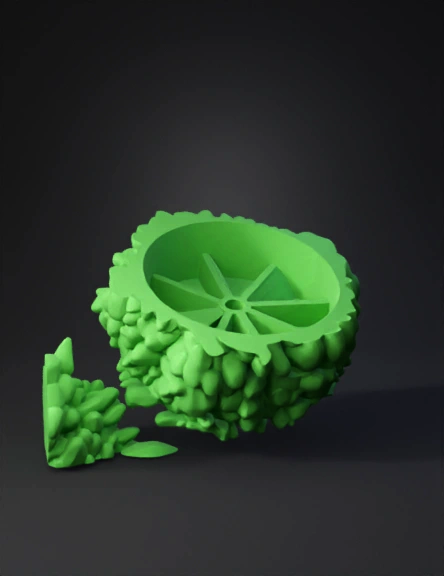
The common name "Brain Coral" is applied to several different stony corals, including species formerly classified under the genus Favia (which is now mostly reclassified into other genera like Dipsastraea, Favites, and Coelastrea). These corals are generally known for their hard, robust, and intricate appearance.

Here is a breakdown of what the coral commonly referred to as Favia or Brain Coral looks like:

1. Structure and Shape
Colony Form: These are massive, reef-building stony corals (LPS, or Large Polyp Stony) that typically form dome-shaped, massive, or thickly encrusting colonies. This large, dense shape gives them their common "brain" or "boulder" appearance.


Surface Texture (Corallites): The surface is not smooth but covered in individual "mouths" or skeletal cups called corallites.

In Favia (specifically the few true species remaining and those now classified as Dipsastraea): Each corallite is monocentric (has a single center/mouth) and plocoid, meaning each one projects slightly and has its own separate wall, giving the colony a bumpy, patterned, or honeycomb-like appearance.

In closely related Favites (also called Brain or Moon Coral): The corallites are cerioid, meaning the adjacent polyps share a fused, common wall.

2. Coloration
Favia and its related genera are highly prized for their intense and varied colors. They can be found in a wide range, often featuring contrasting colors between the inner mouth/disk and the outer wall.

Color Range: They exhibit nearly every color, including vibrant greens, blues, purples, reds, oranges, and browns.

Contrasting Patterns: It's very common for the mouth/eye of the polyp to be a different, often fluorescent, color than the coral wall. For example, some popular types are known for having a deep red base with bright green "eyes."

3. Polyps and Behavior
Polyp Extension: The fleshy polyps are extended only at night when the coral feeds.

Feeding: When the polyps are out, they show a ring of small, tapering tentacles used to catch prey like zooplankton.

Sweeper Tentacles: Favia is an aggressive coral and will extend long, specialized sweeper tentacles at night to sting and defend its growing space from neighboring corals
Anonymous1759551010
Anonymous1757025348
Anonymous1757025348
Anonymous1742348068
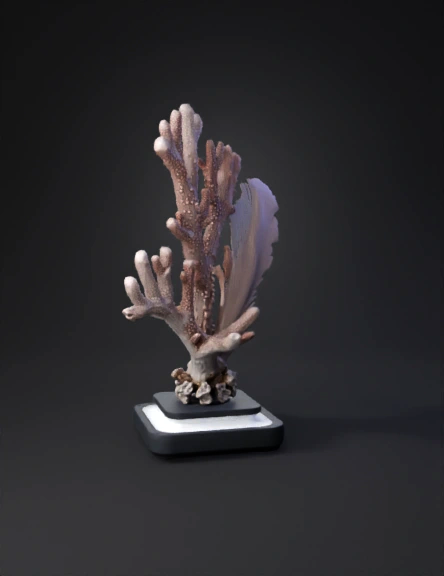
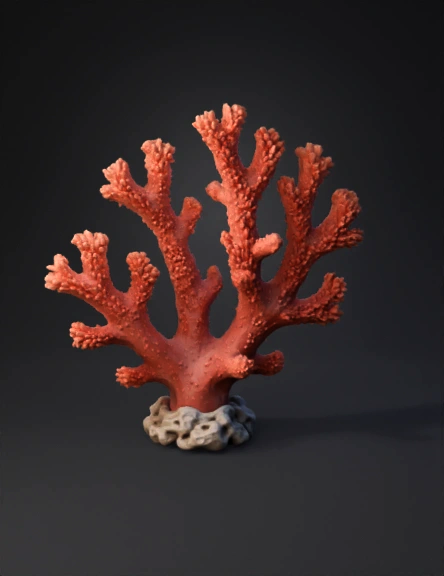
coral like pink organic shape, very textured
Anonymous1748744566
Enter invite code to get credits!