?

This species 3D Models

Find the best This species 3D Models, free download in STL, FBX, GLB, OBJ, 3MF, USDZ for 3D modeling and creation in Blender, 3D printing, game developing, animation, eCommerce, AR/VR and etc. Generated by Tripo AI 3D Generator.

One of the most distinctive morphological features of the Rufous-backed Kingfisher (Ceyx rufidorsa) is its unusual foot structure. Unlike most birds that possess four toes, this species has only three toes—a trait known as tridactyly. This evolutionary adaptation is characteristic of many species within the Ceyx genus. The three toes are small, reddish-orange in color, and well-adapted for perching on slender branches near streams and forest edges. Typically, two toes point forward and one backward, providing a stable grip despite the reduced number. The absence of the fourth toe does not hinder the bird’s mobility or agility; in fact, it reflects the specialized perching behavior and compact size of this forest-dwelling kingfisher. The reduced toe count is a rare and notable trait among birds and serves as an important identifier for species classification within this group. This tridactyl foot structure highlights the bird’s evolutionary refinement for life in dense tropical environm
Anonymous1760188810
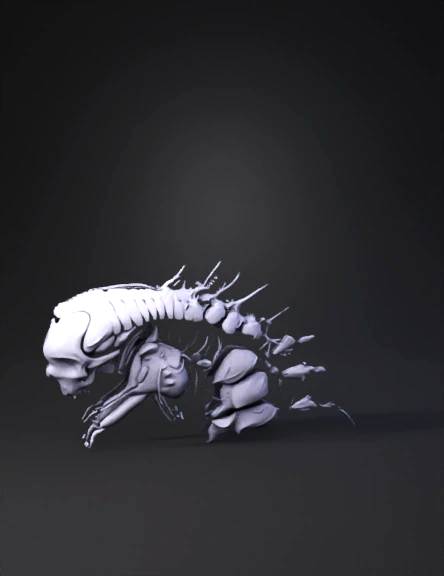
a deinonychus in a horror style
Anonymous1759973851
The Blue-throated Bee-eater (Merops viridis) is a striking and vibrant bird species that belongs to the family Meropidae. It is known for its vivid coloration and distinctive features, which make it one of the most eye-catching members of the bee-eater family. Found predominantly in Southeast Asia, particularly in countries such as Thailand, Cambodia, Laos, and Vietnam, this species is a skilled aerial hunter of insects, primarily bees and wasps.

Size and Shape

The Blue-throated Bee-eater is a medium-sized bird with an elongated and slender body. It typically measures around 28 to 30 cm (11 to 12 inches) in length. The bird's wingspan is also quite impressive, typically ranging from 30 to 33 cm. Its body is streamlined, aiding its impressive flight capabilities as it pursues insects in the air.

Plumage

The bird is easily recognizable due to its vivid and striking plumage. The upperparts are a rich, glossy green, which blends into a more turquoise blue on the head and upper back. Th
Anonymous1759865327
The Blue-throated Bee-eater (Merops viridis) is a striking and vibrant bird species that belongs to the family Meropidae. It is known for its vivid coloration and distinctive features, which make it one of the most eye-catching members of the bee-eater family. Found predominantly in Southeast Asia, particularly in countries such as Thailand, Cambodia, Laos, and Vietnam, this species is a skilled aerial hunter of insects, primarily bees and wasps.

Size and Shape

The Blue-throated Bee-eater is a medium-sized bird with an elongated and slender body. It typically measures around 28 to 30 cm (11 to 12 inches) in length. The bird's wingspan is also quite impressive, typically ranging from 30 to 33 cm. Its body is streamlined, aiding its impressive flight capabilities as it pursues insects in the air.

Plumage

The bird is easily recognizable due to its vivid and striking plumage. The upperparts are a rich, glossy green, which blends into a more turquoise blue on the head and upper back. Th
Anonymous1759866349
The Blue-throated Bee-eater (Merops viridis) is a striking and vibrant bird species that belongs to the family Meropidae. It is known for its vivid coloration and distinctive features, which make it one of the most eye-catching members of the bee-eater family. Found predominantly in Southeast Asia, particularly in countries such as Thailand, Cambodia, Laos, and Vietnam, this species is a skilled aerial hunter of insects, primarily bees and wasps.

Size and Shape

The Blue-throated Bee-eater is a medium-sized bird with an elongated and slender body. It typically measures around 28 to 30 cm (11 to 12 inches) in length. The bird's wingspan is also quite impressive, typically ranging from 30 to 33 cm. Its body is streamlined, aiding its impressive flight capabilities as it pursues insects in the air.

Plumage

The bird is easily recognizable due to its vivid and striking plumage. The upperparts are a rich, glossy green, which blends into a more turquoise blue on the head and upper back. Th
Anonymous1759866349
The Blue-throated Bee-eater (Merops viridis) is a striking and vibrant bird species that belongs to the family Meropidae. It is known for its vivid coloration and distinctive features, which make it one of the most eye-catching members of the bee-eater family. Found predominantly in Southeast Asia, particularly in countries such as Thailand, Cambodia, Laos, and Vietnam, this species is a skilled aerial hunter of insects, primarily bees and wasps.

Size and Shape

The Blue-throated Bee-eater is a medium-sized bird with an elongated and slender body. It typically measures around 28 to 30 cm (11 to 12 inches) in length. The bird's wingspan is also quite impressive, typically ranging from 30 to 33 cm. Its body is streamlined, aiding its impressive flight capabilities as it pursues insects in the air.

Plumage

The bird is easily recognizable due to its vivid and striking plumage. The upperparts are a rich, glossy green, which blends into a more turquoise blue on the head and upper back. Th
Anonymous1759865327
The Blue-throated Bee-eater (Merops viridis) is a striking and vibrant bird species that belongs to the family Meropidae. It is known for its vivid coloration and distinctive features, which make it one of the most eye-catching members of the bee-eater family. Found predominantly in Southeast Asia, particularly in countries such as Thailand, Cambodia, Laos, and Vietnam, this species is a skilled aerial hunter of insects, primarily bees and wasps.

Size and Shape

The Blue-throated Bee-eater is a medium-sized bird with an elongated and slender body. It typically measures around 28 to 30 cm (11 to 12 inches) in length. The bird's wingspan is also quite impressive, typically ranging from 30 to 33 cm. Its body is streamlined, aiding its impressive flight capabilities as it pursues insects in the air.

Plumage

The bird is easily recognizable due to its vivid and striking plumage. The upperparts are a rich, glossy green, which blends into a more turquoise blue on the head and upper back. Th
Anonymous1759866349
The Blue-throated Bee-eater (Merops viridis) is a striking and vibrant bird species that belongs to the family Meropidae. It is known for its vivid coloration and distinctive features, which make it one of the most eye-catching members of the bee-eater family. Found predominantly in Southeast Asia, particularly in countries such as Thailand, Cambodia, Laos, and Vietnam, this species is a skilled aerial hunter of insects, primarily bees and wasps.

Size and Shape

The Blue-throated Bee-eater is a medium-sized bird with an elongated and slender body. It typically measures around 28 to 30 cm (11 to 12 inches) in length. The bird's wingspan is also quite impressive, typically ranging from 30 to 33 cm. Its body is streamlined, aiding its impressive flight capabilities as it pursues insects in the air.

Plumage

The bird is easily recognizable due to its vivid and striking plumage. The upperparts are a rich, glossy green, which blends into a more turquoise blue on the head and upper back. Th
Anonymous1759866349
The Blue-throated Bee-eater (Merops viridis) is a striking and vibrant bird species that belongs to the family Meropidae. It is known for its vivid coloration and distinctive features, which make it one of the most eye-catching members of the bee-eater family. Found predominantly in Southeast Asia, particularly in countries such as Thailand, Cambodia, Laos, and Vietnam, this species is a skilled aerial hunter of insects, primarily bees and wasps.

Size and Shape

The Blue-throated Bee-eater is a medium-sized bird with an elongated and slender body. It typically measures around 28 to 30 cm (11 to 12 inches) in length. The bird's wingspan is also quite impressive, typically ranging from 30 to 33 cm. Its body is streamlined, aiding its impressive flight capabilities as it pursues insects in the air.

Plumage

The bird is easily recognizable due to its vivid and striking plumage. The upperparts are a rich, glossy green, which blends into a more turquoise blue on the head and upper back. Th
Anonymous1759866349
The Purple-bearded Bee-eater (Meropogon forsteni) is a distinctive and endemic species of Sulawesi, Indonesia. It is a medium-sized bee-eater, measuring approximately 25–27 cm in length, including its long, graduated tail. This species is unique within its genus and is instantly recognizable by its unusual combination of deep colors and solitary habits.

The bird’s most striking feature is its rich purple "beard"—a dense patch of elongated feathers on the throat, which gives the species its name. This beard contrasts beautifully with the rest of the body and is more prominent in males.

The head, neck, and breast are primarily a deep purplish-red or reddish-magenta, gradually blending into a more vivid purple throat tuft. The upperparts, including the back and wing coverts, are a lush emerald green, offering excellent camouflage among forest foliage.

The underparts become paler toward the belly, often showing a mix of greenish and slightly bluish tones, especially along the flanks.

T
Anonymous1759865327
The Blue-throated Bee-eater (Merops viridis) is a striking and vibrant bird species that belongs to the family Meropidae. It is known for its vivid coloration and distinctive features, which make it one of the most eye-catching members of the bee-eater family. Found predominantly in Southeast Asia, particularly in countries such as Thailand, Cambodia, Laos, and Vietnam, this species is a skilled aerial hunter of insects, primarily bees and wasps.

Size and Shape

The Blue-throated Bee-eater is a medium-sized bird with an elongated and slender body. It typically measures around 28 to 30 cm (11 to 12 inches) in length. The bird's wingspan is also quite impressive, typically ranging from 30 to 33 cm. Its body is streamlined, aiding its impressive flight capabilities as it pursues insects in the air.

Plumage

The bird is easily recognizable due to its vivid and striking plumage. The upperparts are a rich, glossy green, which blends into a more turquoise blue on the head and upper back. Th
Anonymous1759866349
The Stork-billed Kingfisher (Pelargopsis capensis), also known as the Pekaka Emas in Indonesia and Malaysia, is a large and striking tree kingfisher native to South and Southeast Asia. It is commonly found in mangroves, riverbanks, forest edges, and wetlands. With its massive red bill, vibrant coloration, and loud calls, this species is easy to spot and identify.

Size and General Shape
The Stork-billed Kingfisher is one of the largest kingfisher species, measuring about 35 to 38 cm in length and weighing between 180 to 220 grams. It has a stocky body, a short tail, and a very large head relative to its body size. Its posture when perched is upright, and it often appears heavy-set.

Bill
One of its most distinctive features is its massive, straight, and heavy bill, which resembles that of a stork—hence the name "stork-billed." The bill is bright red in adults and can reach up to 7–9 cm in length. It is thick at the base and tapers to a sharp point. This large bill is ideal for catching
Anonymous1759842817
The Stork-billed Kingfisher (Pelargopsis capensis), also known as the Pekaka Emas in Indonesia and Malaysia, is a large and striking tree kingfisher native to South and Southeast Asia. It is commonly found in mangroves, riverbanks, forest edges, and wetlands. With its massive red bill, vibrant coloration, and loud calls, this species is easy to spot and identify.

Size and General Shape
The Stork-billed Kingfisher is one of the largest kingfisher species, measuring about 35 to 38 cm in length and weighing between 180 to 220 grams. It has a stocky body, a short tail, and a very large head relative to its body size. Its posture when perched is upright, and it often appears heavy-set.

Bill
One of its most distinctive features is its massive, straight, and heavy bill, which resembles that of a stork—hence the name "stork-billed." The bill is bright red in adults and can reach up to 7–9 cm in length. It is thick at the base and tapers to a sharp point. This large bill is ideal for catching
Anonymous1759842817
Anonymous1756397799
Anonymous1756865846
Anonymous1774928123
Anonymous1774631663
Anonymous1774555647
Enter invite code to get credits!